
Understanding the psychological triggers that influence gambling behavior in casinos
The Nature of Gambling Psychology
Gambling is not merely a game of chance; it involves deep psychological components that significantly influence behavior. Understanding these elements can illuminate why individuals engage in gambling activities, often despite the risks involved. Emotional responses, cognitive biases, and social pressures all intertwine to create a unique environment within casinos that encourages prolonged play and financial investment. For those looking for a secure gaming experience, you can find the best payid casinos that offer fast withdrawals and user-friendly features.
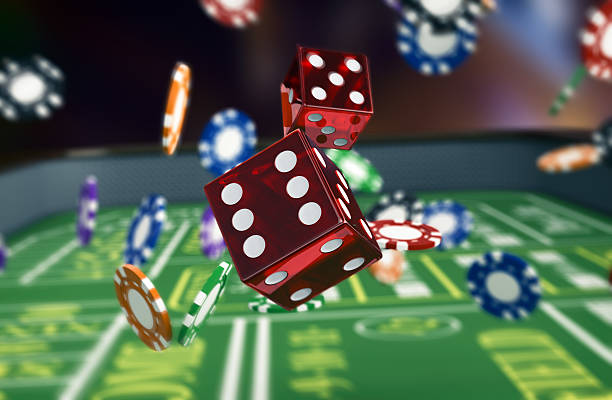
One of the primary psychological triggers is the thrill associated with risk-taking. When players experience a win, there is a surge of dopamine, a neurotransmitter linked to pleasure and reward. This biochemical reaction reinforces the desire to gamble more, as the brain seeks to replicate the euphoric feelings tied to previous wins. Consequently, players may overlook the inherent risks, becoming entrapped in a cycle of gambling.
Moreover, the social aspect of gambling amplifies its psychological effects. Casinos are designed as social spaces where players often interact, fostering an environment that normalizes gambling behaviors. This can lead to conformity, where individuals mimic the actions of others, further solidifying their own gambling habits. The combination of risk, reward, and social acceptance creates a potent psychological brew that can be difficult to resist.
Cognitive biases play a critical role in gambling behavior, often distorting reality for players. One of the most prevalent biases is the “illusion of control,” where players believe they can influence outcomes through their actions, even in games of pure chance. For instance, a player may think that choosing a specific slot machine or using certain betting strategies will increase their chances of winning, despite the random nature of these games.
The “gambler’s fallacy” is another significant cognitive bias, where individuals incorrectly assume that past events will influence future outcomes. For example, if a roulette wheel has landed on red several times in a row, a player may believe that black is “due” to appear. This fallacy can lead to poor decision-making, as players may increase their bets based on false expectations, deepening their financial commitment.
Additionally, confirmation bias leads players to focus on winning experiences while disregarding losses. This selective memory reinforces the idea that they have a winning strategy or luck on their side, encouraging them to continue gambling. Understanding these cognitive biases can help both players and casino operators better comprehend and manage gambling behavior.
The physical environment of a casino is meticulously designed to maximize engagement and prolong gambling behavior. Factors such as lighting, sound, and layout all contribute to creating an immersive experience that captivates players. Bright lights and exciting sounds, like ringing bells or celebratory music, are strategically used to evoke feelings of excitement and euphoria, enhancing the thrill of the game.
The absence of clocks and windows in many casinos is a deliberate choice to distort players’ perception of time. This design encourages longer play sessions, as individuals lose track of the hours spent gambling. As a result, players may find themselves in the casino longer than intended, leading to increased expenditure and reinforcing their gambling habits.
Moreover, the layout of gaming areas often facilitates social interaction, allowing players to engage with others while gambling. This social environment can make the gambling experience more enjoyable, but it also encourages individuals to gamble more than they might otherwise. The combination of an enticing physical environment and social dynamics creates a space where gambling behavior can flourish.
Casino marketing strategies are tailored to exploit psychological triggers that motivate gambling behavior. Promotions, such as bonuses, free spins, and loyalty programs, are designed to draw players in and keep them engaged. These incentives create a sense of urgency and exclusivity, prompting players to participate more frequently in hopes of maximizing their rewards.
Additionally, casinos often use targeted advertising to appeal to specific demographics, tailoring messages that resonate with the aspirations and desires of potential players. This psychological manipulation can make gambling seem more appealing and accessible, creating an environment that encourages individuals to try their luck. The marketing messages often emphasize the excitement and potential for large payouts, overshadowing the risks involved.
Furthermore, the use of loyalty programs reinforces habitual gambling behavior. Players accumulate points or rewards for their wagers, which can lead to a sense of commitment to the casino. This continuous engagement can create an ongoing cycle of gambling, where individuals feel compelled to return to achieve their desired rewards, making it harder to break free from the habit.
Recognizing the psychological triggers that influence gambling behavior is crucial for promoting responsible gambling practices. Education and awareness programs can provide players with the tools to understand their motivations and the risks associated with gambling. By fostering a more informed gaming community, casinos can encourage responsible play and help prevent problematic gambling behavior.
Implementing features like self-exclusion options and setting deposit limits can empower players to take control of their gambling habits. These tools allow individuals to establish personal boundaries, reducing the likelihood of excessive gambling and its associated risks. Additionally, providing resources for those who may struggle with gambling addiction is essential for creating a safer gambling environment.
Furthermore, casinos have a role to play in promoting responsible gambling. By prioritizing customer welfare and developing policies that discourage excessive gambling, they can foster a healthier gaming culture. This includes transparency in marketing practices and offering support for individuals who may need assistance. Ultimately, a focus on responsible gambling benefits both players and the industry as a whole.

This website serves as a comprehensive resource for understanding the complexities of gambling behavior and the psychological triggers that influence it. Our aim is to provide valuable insights and information to help players navigate the world of gambling responsibly. By addressing the psychological aspects and potential pitfalls, we strive to empower individuals to make informed decisions regarding their gambling activities.
We offer a range of articles, expert reviews, and tips to enhance your understanding of gambling. Whether you are a seasoned player or a newcomer, our content is designed to support your gaming experience while encouraging responsible practices. Explore our resources to gain a deeper appreciation of the intricate relationship between psychology and gambling behavior, and make informed choices that align with your gaming style.
“`